
Scenic Drives in Cabot Trail
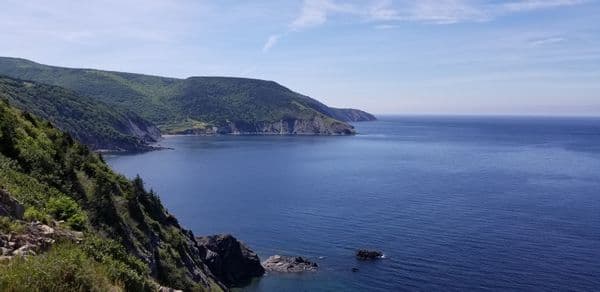
The Cabot Trail needs little introduction — 298 kilometres of coastal highway circling the Cape Breton Highlands, ranked among the world's great road trips for good reason. What it does need is context. Most visitors drive it in a single day and wonder why they feel rushed. The loop genuinely takes two days minimum if you want to stop at the lookoffs, walk any of the Highlands trails, and eat somewhere worth eating. Clockwise from the Baddeck end is the standard approach, which saves the best cliff-road sections — Skyline, MacKenzie Mountain, French Mountain — for mid-trip rather than the end.
The drive that most people skip is the Bay St. Lawrence side road, which branches off the main loop near Cape North and runs to the northernmost villages on the island. It's a short detour — roughly 20 kilometres return — but it puts you on a quieter road with whale-watching boats, a gravel beach, and almost none of the RV traffic that can slow the main Trail in July and August.
Peak season (mid-July through September long weekend) brings real congestion at the Cape Breton Highlands National Park entry points and at popular lookoffs. Shoulder season — late May to late June, or October for the foliage — gives you most of the same scenery with far fewer vehicles and more direct conversations with locals.
All scenic drives in Cabot Trail

Frequently asked
How long does it take to drive the full Cabot Trail loop?
The 298-kilometre loop is driveable in about 4–5 hours of pure driving time, but that number is misleading. Factor in lookoff stops, national park entry, meals, and any short hikes and you're realistically looking at a full day — or two days with an overnight in Chéticamp or Ingonish. Trying to do it justice in under 6 hours usually means missing most of what makes it worthwhile.
Clockwise or counter-clockwise — does the direction matter?
Most experienced drivers go clockwise (Baddeck → Chéticamp → Cape Breton Highlands → Ingonish → Baddeck), which puts the dramatic highland cliff sections in the middle of the trip when energy is highest. Counter-clockwise isn't wrong, but you'll hit the steep grades on MacKenzie and French Mountain later and the light on the western cliffs is better in afternoon going clockwise.
What is the Bay St. Lawrence Drive and is it worth the detour?
The Bay St. Lawrence Drive is a side road off the main Cabot Trail near Cape North that leads to the northernmost communities on Cape Breton Island. It adds roughly 20 kilometres return and is worth it for anyone who wants a quieter stretch — less traffic, a different coastal character, and access to whale-watching departures in season. The road is paved and easy to drive.
Do I need a national park pass to drive the Cabot Trail?
A portion of the Cabot Trail runs through Cape Breton Highlands National Park, and Parks Canada charges a day-use fee at the entry gates. If you're planning multiple days or also want to use the park's hiking trails and facilities, a Discovery Pass is better value. The fee applies whether you're hiking or just driving through.
When is the best time of year to drive the Cabot Trail?
October delivers the most dramatic foliage, typically peaking in the first two weeks of the month, with noticeably lighter traffic than summer. Late May and June offer good weather and green highland scenery before the peak crowds arrive. July and August are the busiest months — expect queues at park gates and slower progress at popular viewpoints, especially on weekends.
Are there gas stations along the loop, or should I fill up before I go?
Gas is available in Chéticamp and Ingonish, the two main service centres on the loop, but stations are scarce between those points. Fill the tank before leaving Baddeck or Chéticamp if you're heading into the highland section. Prices on the loop tend to run higher than in Sydney or Baddeck, so topping up in a larger town first makes sense.